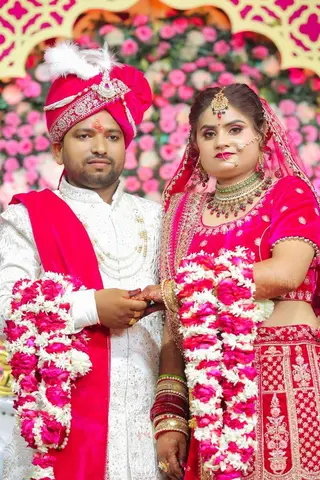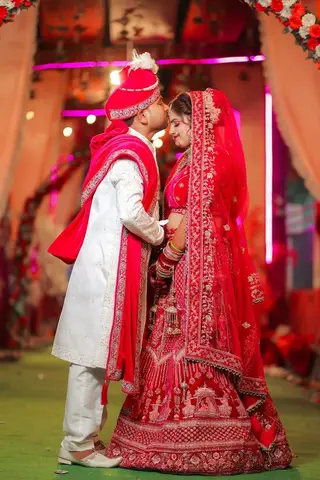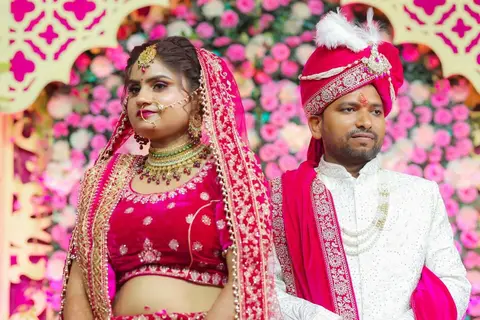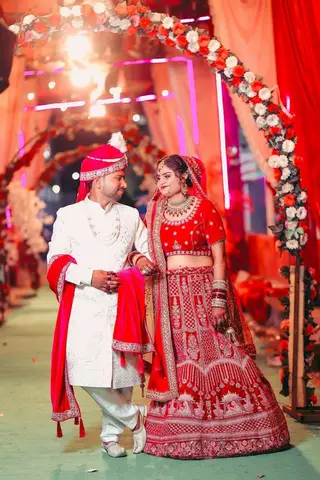

AI photo selection
AI photo selection scores every photo you choose — sharpness, exposure, faces and near-duplicates — and returns a ranked shortlist in shooting order. The analysis runs in your browser on the photos you picked, and you review, add and remove frames before the set goes anywhere.
It assists the cull; it does not decide it, and it never changes your photographs.
The basics
AI photo selection is a ranking pass over photos that are already in the booking. Each photo is scored from 0 to 100 for technical quality, with a reason you can read beside it: sharp, blurry / out of focus, too dark, blown highlights, 2 faces, similar to another frame. The result is a shortlist in album order that you can reorder, extend or cut.
It is one step inside the wider photo selection workflow, which also covers culling in the gallery and your client's own selection. No stock or generated images are involved, and nothing is published without you.
The signals
Every photo is measured on your device and compared with the rest of the set. The score is built from these signals, and each one leaves a readable reason on the photo:
A focus measure compared with the median of the set: blurry / out of focus and softer than the rest pull a photo down, sharp lifts it.
Brightness and clipped areas are measured, giving reasons such as blown highlights, too dark, too bright and flat / low contrast.
Detected faces raise the score, and the count appears as a reason — 1 face, 2 faces.
Neighbouring frames in shooting order with a similar image hash are grouped, so only the strongest of a burst competes and the rest are marked similar to another frame.
Each photo keeps its own aspect ratio, so portrait frames are matched to portrait slots in the layout instead of being squeezed to fit.
Scores run from 0 to 100 and every one shows why, so you can judge the number instead of trusting it.
Step by step
Pick the folders to consider from the booking, or add photos from your computer. Only the photos you choose are analysed.
Set how many photos you need and run it. Progress is shown photo by photo, and you can stop it at any time.
The shortlist arrives in album order, each row with its score, its reasons and the file's sequence number. What was left out is listed too.
Add frames back, replace or remove any photo, move frames earlier or later, then take the set into the album design or your delivery.
When to override
The score measures technical quality, not meaning. Knowing when to trust it is the whole skill.
Blurry frames, blown reception shots and burst twins are easy to miss across thousands of photos, and the reasons make them obvious.
Deliberate motion, dark reception scenes and backlit portraits often score low, and the moment that mattered is not visible in the data.
The frames a couple asks for by name are usually quiet moments the score did not reward. Open what was left out and add it back.
Deleting obvious rejects first gives the ranking better material and a shorter analysis.
Skip the AI and choose by eye in the gallery instead — both routes end at the same confirmed set.
The workflow
The ranked set is a hand-off, not a destination. It moves forward through the same booking:
Photos arrive with bulk photo upload, one folder per function.
The ranking is the first pass over a folder, inside the wider photo selection workflow.
The shortlist feeds the AI album generator, which designs the spreads from it.
Confirm the set, then share it through the online photo gallery and deliver the ZIP.
How upload, selection, face scan and delivery fit together is on the photography workflow page.
FAQ
Upload the shoot, let the ranking surface the weak and repeated frames, and keep the final call.