

Album size
A 12 × 30 in spread is 12 inches tall and 30 inches wide: two 12 × 15 in pages side by side, with a 2.5 : 1 ratio. It is six inches narrower than a 12 × 36 spread, and some labs offer it as an alternative to the usual size.
12 × 30 is a custom size rather than a fixed pixel layout. Templates are composed for its ratio instead of being stretched from a 12 × 36 design, and the AI generator designs for it directly.
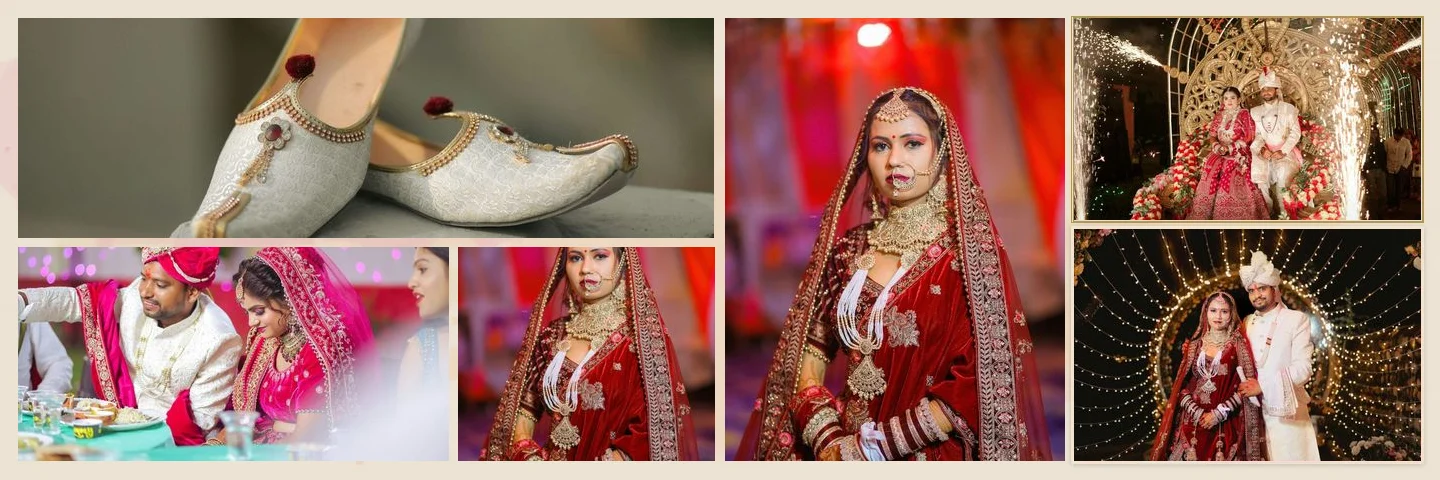
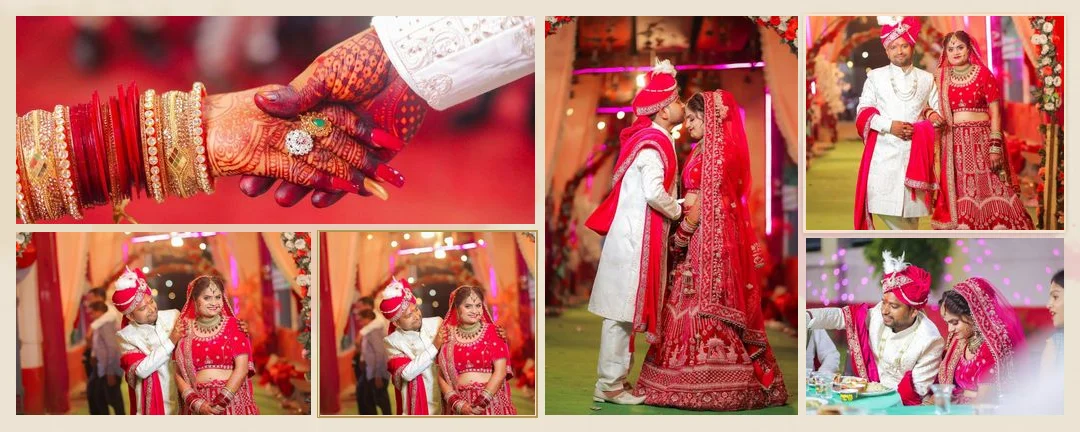
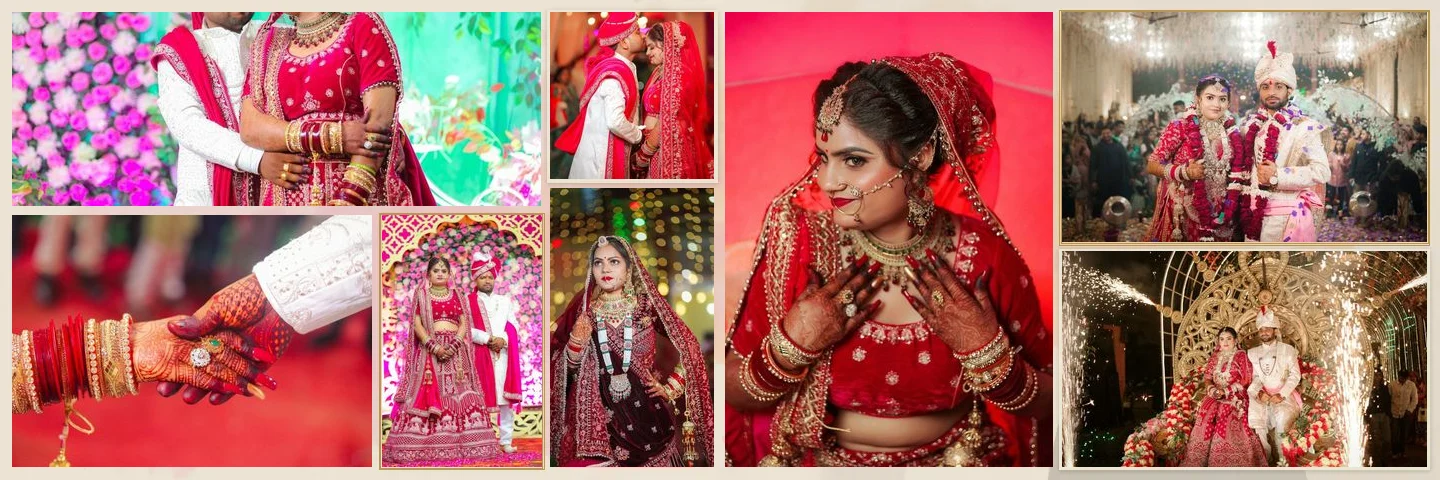
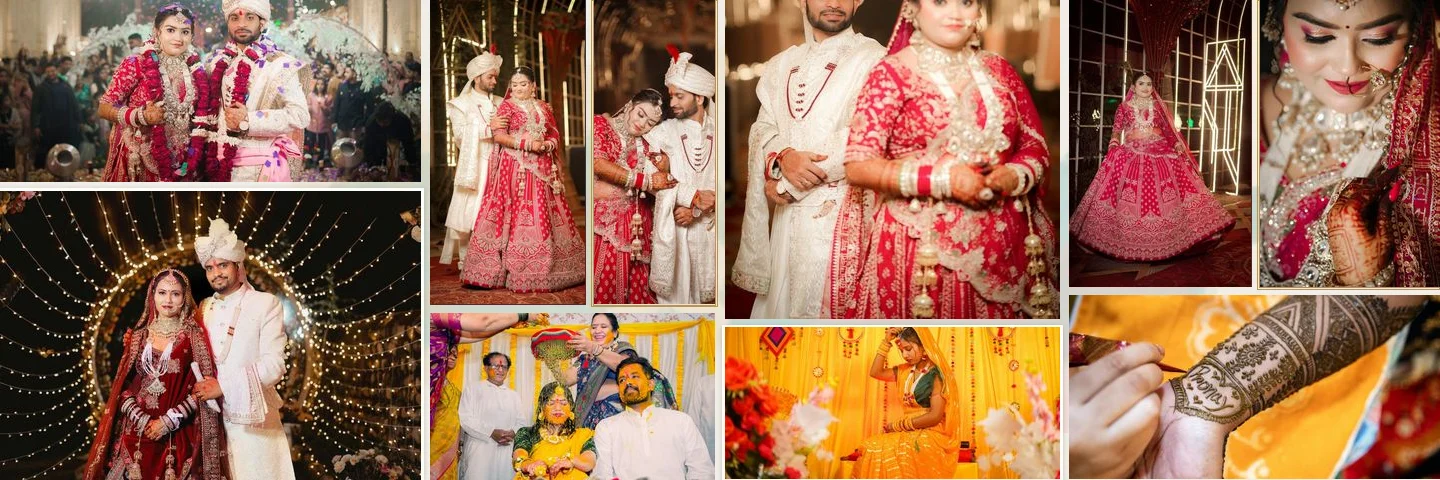
Sample layouts are shown with licensed sample wedding photos; your own photos take their place.
The size
The measurement describes the open spread — the way a lab writes it on a spec sheet.
12 × 30 in is the open sheet: two 12 × 15 in pages side by side, 12 in tall.
30 ÷ 12 = 2.5, so the spread is two and a half times as wide as it is tall. A 12 × 36 spread is 3 : 1.
Both sizes are 12 in tall, so a photo tall enough for a 12 × 36 album is tall enough here.
The two pages meet in the middle; landscape spreads fold there automatically when the album is created.
The closed book is 15 in wide instead of the 18 in of a 12 × 36 album.
Ask for the lab's written size and resolution before you start — the size is set when the album is created.
The pixel size depends on the print resolution. Check your lab's preferred resolution before you start.
9,000 × 3,600 px
12 × 15 in — half the width of the spread, at the same height.
Some labs accept 240 or 200 DPI. Pixels scale with the resolution your lab specifies.
Setting it up
The size is entered when the album is created, so every sheet is built at 12 × 30 in from the start.
12 × 30 in is offered alongside 12 × 36 and 14 × 40. For another lab size, choose Custom Size and enter the width, height and DPI.
Margins and gaps stay in inches and the slots are re-arranged for the 2.5 : 1 ratio instead of being squeezed out of a 12 × 36 layout.
Below 1.2 : 1 a sheet is treated as a single page with no fold, and above 4 : 1 the layout may need manual adjustment. At 2.5 : 1 neither applies.
Let the AI generator design the spreads at 12 × 30 in, or open a template and place the photos yourself.
Choosing a size
Some labs list 12 × 30 in beside sizes such as 12 × 24 or 10 × 30 in. Use the size in your lab's spec.
2.5 : 1 instead of 3 : 1: six inches less width per spread, so the closed album is 15 in wide rather than 18 in.
Full-height frames need the same resolution as at 12 × 36, since both formats are 12 in tall.
Each design is composed for the narrower ratio instead of being cropped or stretched from the 12 × 36 version.
A spread at 12 × 30 in holds slightly less width per sheet than 12 × 36, so plan the photo count with that in mind.
Library templates hold between 5 and 10 photos. The AI generator can place more when you set an exact number per sheet.
A photo filling the full 12 in page height needs 3,600 px on that side at 300 ppi. Photos printing below 200 ppi in their slot are flagged.
Photos and text may not cross the centre fold. Anything dragged across is moved onto one page, and export is blocked until the layout is fixed.
Lay-flat and traditional bindings both hide some of the gutter, so keep faces a little away from where the pages meet.
Export and print
Sheets export at the full size with DPI set, as JPG or PNG, or as a layered PSD for finishing in another editor.
View › Print guides shows the trim (0.125 in) and the safe area (0.375 in); keep faces and text inside the safe area.
With nothing selected, the Properties tab shows the album size, canvas and resolution. Compare them with the lab's spec.
No bleed is added automatically: if the lab wants the size including bleed, enter the album size with the bleed included.
Treat an exported sheet as a draft to check, not a final: open it at full size, read the text and confirm the fold before you order prints.
FAQ
Set the album to 12 × 30 in, choose a template, or let AI compose the spreads at that size.